Why Fixing Your Posture Changed My Life Without Surgery or Gadgets
You sit most of the day, but have you noticed how your body slowly caves in? Slumped shoulders, neck strain, low energy — poor posture sneaks up on you. I ignored mine for years until the headaches and fatigue got real. What I discovered wasn’t a quick fix, but a deep shift in how I move, sit, and live. Improving posture didn’t just change my spine — it upgraded my confidence, breathing, and daily comfort. This is what actually worked when I finally took control.
The Hidden Cost of Slouching: When Comfort Becomes a Trap
Sitting has become the default posture of modern life. From workstations to commutes, from meals to entertainment, most adults spend the majority of their waking hours seated. While convenient, this prolonged sitting encourages a slow but damaging shift in body alignment. The spine, designed for dynamic movement and upright support, begins to adapt to a collapsed position. The head drifts forward, the shoulders round, and the lower back loses its natural curve. These changes may seem minor at first, but over time, they accumulate into a pattern of dysfunction known as postural collapse.
This collapse is more than an aesthetic concern. It alters the body’s biomechanics in ways that affect nearly every system. When the head moves even an inch forward of its neutral position, the strain on the neck muscles increases significantly. Research suggests that for every inch of forward head posture, the effective weight of the head on the cervical spine increases by up to 10 pounds. This places excessive load on the vertebrae, discs, and supporting muscles, leading to chronic neck and shoulder pain, tension headaches, and even nerve irritation that can radiate down the arms.
At the same time, rounded shoulders compress the chest cavity, restricting the movement of the ribcage and diaphragm. This compromises breathing efficiency, reducing oxygen intake and contributing to feelings of fatigue and low energy. Poor thoracic alignment also affects digestion, as internal organs are subtly compressed and shifted from their optimal positions. Over time, this can lead to bloating, reflux, and slower metabolism. The body’s center of gravity shifts forward, forcing the lower back and hips to compensate, often resulting in lower back pain and increased risk of disc issues.
Daily habits reinforce this cycle. Staring at screens — whether on laptops, tablets, or smartphones — pulls the head and neck into flexion. Driving for long periods locks the hips in a flexed position, shortening the hip flexors and weakening the glutes. Even relaxing on the couch often means sinking into a slumped position, training the body to accept poor alignment as normal. These behaviors, repeated day after day, rewire muscle memory and joint positioning, making it harder to stand tall even when we want to. The body adapts to what it does most often, and if that is slouching, then slouching becomes the default.
Posture and Quality of Life: More Than Just Standing Tall
Good posture is often framed as a matter of appearance — standing straight to look confident or professional. But its impact goes far beyond how we present ourselves. Spinal alignment is deeply connected to how we feel, think, and function on a daily basis. When the spine is properly aligned, the body operates with greater efficiency. Nerves flow freely, blood circulates without restriction, and muscles work in balanced coordination. This foundational support enhances nearly every aspect of physical and mental well-being.
One of the most immediate benefits of improved posture is increased energy. When the lungs have room to expand fully, oxygen intake improves. Diaphragmatic breathing becomes easier, delivering more oxygen to the brain and muscles. This reduces the sense of fatigue that many people mistake for aging or stress. Studies have shown that individuals who sit or stand with upright posture report higher energy levels and lower feelings of exhaustion compared to those in slumped positions. The body doesn’t have to work as hard to maintain basic functions, freeing up energy for mental clarity and physical activity.
Mental focus and emotional state are also influenced by posture. Research from health psychology indicates that upright posture is associated with increased self-confidence, reduced stress, and better mood. In one study, participants who sat up straight during a stressful task reported feeling more alert and in control than those who slouched. The physical act of aligning the spine appears to send positive feedback signals to the brain, reinforcing a sense of capability and calm. This mind-body connection means that posture isn’t just a reflection of how we feel — it can actively shape our emotional experience.
Sleep quality often improves as well. Proper spinal alignment reduces nighttime discomfort and muscle tension, allowing for deeper, more restorative rest. When the body isn’t fighting against misalignment during sleep, it can fully relax. This leads to fewer awakenings, less morning stiffness, and a greater sense of refreshment upon waking. Over time, better sleep contributes to improved immune function, hormone balance, and overall resilience.
For many women in their 30s to 50s, who often juggle work, family, and personal responsibilities, these benefits are transformative. Reduced pain means more freedom to engage in daily activities. Better breathing supports endurance during exercise and household tasks. Increased energy and focus make it easier to manage schedules and stay present with loved ones. Posture, in this sense, becomes a quiet but powerful pillar of quality of life — not because it draws attention, but because it allows everything else to function more smoothly.
Debunking Quick Fixes: Why Stickers, Braces, and Gadgets Fall Short
The market is flooded with products promising to fix posture overnight. Posture corrector braces, adhesive reminders, vibrating wearables, and ergonomic chairs all claim to deliver results with minimal effort. While some of these tools may offer temporary awareness, they rarely lead to lasting change. The reason is simple: posture is not a static position to be held, but a dynamic pattern of movement and muscle control that must be relearned over time.
Braces, for example, pull the shoulders back and hold the spine in alignment — but they do so passively. The muscles are not engaged; instead, they are often further weakened by relying on external support. Once the brace is removed, the body returns to its familiar, slumped pattern. This is similar to wearing a cast on a limb — while it protects, it also causes atrophy. Over time, dependence on a posture brace can create a cycle where the body feels worse without it, not because the problem has worsened, but because the muscles have become less capable.
Stickers or vibration alerts may serve as brief reminders to sit up straight, but they don’t teach the body how to maintain that position. Without neuromuscular retraining, these cues are easily ignored or forgotten. The brain and muscles must be re-educated through repetition and conscious movement, not just momentary corrections. Technology can support this process, but it cannot replace the work of building new habits.
Similarly, ergonomic furniture — while helpful — is not a solution in itself. An adjustable chair or standing desk can reduce strain, but if the user doesn’t understand how to sit or stand properly, even the best equipment will not prevent poor alignment. Posture is a skill, not a setting. It requires active participation and daily practice. The real fix lies not in what you wear or sit on, but in how you move and engage your body throughout the day.
The Core of the Problem: Weakness, Tightness, and Movement Imbalance
Postural dysfunction is rarely about laziness or lack of willpower. It stems from deep-seated muscular imbalances caused by modern lifestyle patterns. The body is a system of opposing muscle groups that must work in harmony. When some muscles become chronically tight and overactive, others become weak and underused. This imbalance pulls the skeleton out of alignment, creating the familiar signs of poor posture: forward head, rounded shoulders, anterior pelvic tilt, and flattened or exaggerated spinal curves.
One of the most common imbalances involves the front and back of the body. Hours of sitting tighten the chest muscles (pectoralis major and minor), pulling the shoulders forward. At the same time, the upper back muscles (rhomboids and lower trapezius) become lengthened and weak, losing their ability to hold the shoulders back. In the neck, the deep cervical flexors — small but vital muscles that support the head — weaken, while the upper trapezius and suboccipital muscles become overworked, leading to tension and pain.
In the hips and pelvis, prolonged sitting shortens the hip flexors (iliopsoas and rectus femoris), tilting the pelvis forward and increasing the curve in the lower back. This inhibits the gluteal muscles, which are essential for hip extension and pelvic stability. As a result, the hamstrings and lower back muscles compensate, leading to strain and fatigue. This pattern, known as lower crossed syndrome, is a primary contributor to chronic low back pain.
These imbalances are not corrected by stretching alone. While stretching tight muscles is important, it does not activate the weak ones. A comprehensive approach must include both release and strengthening. Simple assessments can help identify individual patterns. The wall test, for example, involves standing with heels, buttocks, shoulders, and head touching a wall. If the head cannot reach the wall without strain, or if there is a large gap between the lower back and the wall, it indicates postural deviation. Gait observation — how you walk — can also reveal imbalances, such as limited arm swing or uneven weight distribution.
Retraining Your Body: Daily Habits That Build Real Postural Strength
Sustainable posture improvement comes not from intense workouts, but from consistent, mindful habits integrated into daily life. The nervous system learns through repetition, and small, frequent corrections are more effective than occasional efforts. The goal is to retrain the brain-body connection so that good alignment becomes automatic.
Mindful sitting is a powerful starting point. Instead of collapsing into a chair, sit with the sit bones grounded, feet flat on the floor, and spine tall. Imagine a string gently pulling the crown of the head upward. Keep the shoulders relaxed and slightly back, not forced. Set a timer to check posture every 30 minutes. Over time, this builds awareness and muscle memory.
Breathing plays a crucial role. Diaphragmatic breathing — deep belly breaths that expand the lower ribs — activates the core stabilizers, including the transverse abdominis and pelvic floor. This creates a natural corset of support for the spine. Practice inhaling deeply through the nose, allowing the abdomen to rise, then exhaling slowly through the mouth. Do this for a few minutes several times a day, especially during transitions like starting work or after meals.
Simple exercises can be done anywhere. Chin tucks help retrain the neck: sit upright, gently draw the chin straight back as if making a double chin, hold for 3–5 seconds, and release. Repeat 10 times, several times a day. Scapular retractions strengthen the upper back: squeeze the shoulder blades together without shrugging, hold for 5 seconds, and release. Dead bugs, performed lying on the back, teach core control by moving opposite arm and leg while keeping the lower back pressed to the floor.
Frequency matters more than intensity. Doing these movements for just a few minutes throughout the day — while waiting for coffee, during phone calls, or before bed — creates lasting change. The key is consistency, not perfection.
Movement as Medicine: Walking, Stretching, and Functional Exercise
Exercise is not just for weight management or cardiovascular health — it is essential for postural integrity. Movement nourishes the joints, strengthens the muscles, and reinforces proper alignment. The most effective exercises are those that mimic real-life activities and promote full-body coordination.
Walking, when done with intention, is one of the best posture exercises. Focus on standing tall, engaging the glutes with each step, and allowing the arms to swing naturally. Avoid低头 looking at a phone; keep the gaze forward and the chin level. A 20- to 30-minute daily walk can improve circulation, strengthen the posterior chain, and reset movement patterns.
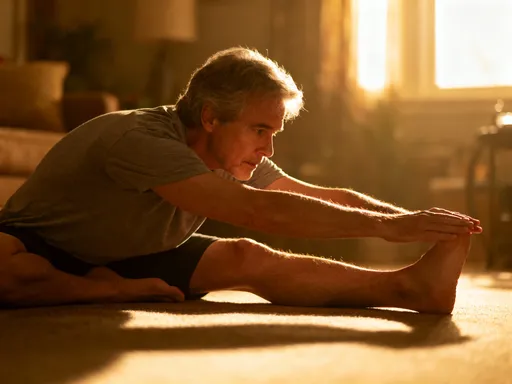
Stretching should target the chronically tight areas: chest, hip flexors, hamstrings, and calves. Doorway stretches for the chest, lunges for the hip flexors, and seated forward bends for the hamstrings can be done daily. Hold each stretch for 30 seconds, breathing deeply to encourage relaxation. Avoid aggressive stretching; the goal is to release tension, not force flexibility.
Functional strength training builds the muscles needed for daily life. Exercises like squats, lunges, planks, and bird-dogs improve core stability, hip strength, and spinal control. Emphasize form over load — moving slowly and with control teaches the body to engage the right muscles. Yoga and swimming are excellent for promoting full-range motion, balance, and body awareness. Both encourage mindful movement and spinal elongation without impact.
Even household activities can be opportunities for posture practice. When lifting groceries, bend the knees and keep the back straight. When folding laundry, stand up and engage the core. These small choices reinforce good habits and make posture a living part of daily life.
The Ripple Effect: Confidence, Breath, and a Lighter Way of Moving
As posture improves, the benefits extend far beyond physical comfort. Many people report feeling taller, lighter, and more present in their bodies. Breathing becomes easier, pain diminishes, and movement feels more fluid. These changes are not just physical — they influence how you experience yourself and the world.
Confidence often increases naturally. Standing and moving with alignment sends a silent message of self-assurance, both to others and to your own mind. You may find yourself speaking more clearly, making better eye contact, and feeling more engaged in social situations. The body and mind are deeply connected, and when the body feels strong and balanced, the mind follows.
Daily activities become less taxing. Carrying children, climbing stairs, or standing in line no longer lead to exhaustion. There is a sense of resilience, of being able to meet life’s demands without constant strain. Sleep improves, energy levels rise, and the overall quality of life feels enhanced.
The journey is not about achieving perfection. There will be days of fatigue, stress, or old habits creeping back. But with awareness and consistent practice, good posture becomes less of an effort and more of a natural state. It is not about holding yourself rigidly upright, but about moving with ease, strength, and grace.
Fixing posture changed my life because it changed how I live. It taught me to listen to my body, to move with care, and to honor the connection between physical health and daily well-being. No surgery, no gadgets — just mindful choices, repeated over time. And in those small, consistent actions, I found a lighter, stronger, more confident way of being.