How I Learned to Protect My Bones Without Medication
You don’t think about your bones until something goes wrong—like a minor fall leading to a fracture. I learned this the hard way. Bone health isn’t just about calcium; it’s a mix of movement, nutrition, and daily habits. After my doctor warned me about early bone loss, I dug into science-backed strategies. What I discovered changed how I live. This is my journey—not a cure, but a real approach to managing bone health long-term. It’s not about dramatic overhauls or expensive supplements. It’s about understanding what your bones truly need and making small, lasting changes that add up over time. The truth is, bone loss is often silent. There are no warning signs until a fracture occurs. But with the right knowledge, it’s something you can influence—starting today.
The Wake-Up Call: When My Bones Started Talking
It started with a stumble—nothing dramatic, just a misstep on a sidewalk curb. But instead of brushing it off, I ended up in the emergency room with a fractured wrist. At 48, I assumed such injuries happened to older people, not someone who walked regularly and ate what I thought was a balanced diet. The orthopedic doctor ordered a bone density scan, and the results were sobering: I had low bone mass, classified as osteopenia, a precursor to osteoporosis. It wasn’t severe, but it was a warning. My bones were aging faster than I was.
The emotional impact was heavier than the cast on my arm. I felt frustrated and vulnerable. How could I not have known? I had always thought of bone health as something you either inherited or ignored. But this experience revealed a dangerous blind spot. Bones don’t send pain signals when they’re weakening. There’s no ache or discomfort to alert you—until the damage is already done. That silence makes early detection critical. My doctor explained that after age 35, bone breakdown naturally begins to outpace bone formation. For women, this accelerates after menopause due to declining estrogen levels. Other risk factors include a family history of fractures, low body weight, smoking, and prolonged inactivity.
What struck me most was how preventable this could have been. My doctor didn’t panic or push medication immediately. Instead, she emphasized lifestyle as the first line of defense. She suggested repeating the DEXA scan in two years and gave me a clear message: I had time to act, but only if I started now. That conversation shifted my mindset. Bone health wasn’t just a medical issue—it was personal. It was about staying strong enough to carry groceries, play with grandchildren, and move through life without fear of breaking.
Why Bone Health Isn’t Just About Calcium
For decades, we’ve been told that strong bones come from drinking milk. The image of a tall glass of dairy as a daily essential is deeply embedded in public health messaging. But the reality is far more complex. While calcium is undeniably important—it’s the primary mineral in bone tissue—it’s only one piece of a much larger puzzle. Bones are living tissue, constantly remodeling themselves through a balance of breakdown and rebuilding. To do this effectively, they need more than just calcium. They require a symphony of nutrients working together.
Protein, for example, makes up about half of bone volume and one-third of its mass. Without adequate protein, the bone matrix—the scaffold on which minerals deposit—cannot form properly. Vitamin D is another critical player. It enables the body to absorb calcium from the gut. Without sufficient vitamin D, even high calcium intake goes to waste. Magnesium supports bone crystal formation and helps regulate parathyroid hormone, which controls calcium levels. Trace minerals like zinc, copper, and boron also contribute to bone strength, though they’re needed in smaller amounts.
Modern diets often fall short in delivering these nutrients consistently. Processed foods dominate many households, offering calories without the micronutrient density bones need. Sunlight exposure, the body’s natural source of vitamin D, has decreased due to indoor lifestyles and sunscreen use. Even when people take supplements, absorption can be poor, especially if taken without food or in forms the body can’t easily use. The lesson here is clear: bone health is not about a single nutrient. It’s about a balanced, whole-foods approach that supports the body’s natural processes. Relying solely on calcium is like trying to build a house with bricks but no mortar or steel frame—it simply won’t hold.
Movement That Builds Strength, Not Just Exercise
If nutrition is the foundation, movement is the architect of strong bones. Bones respond to mechanical stress—they strengthen when challenged. This process, known as Wolff’s Law, explains how bone tissue adapts to the forces placed upon it. When you walk, climb stairs, or lift objects, your muscles pull on your bones, creating micro-stresses that signal the body to reinforce those areas. Over time, this leads to increased bone density and resilience.
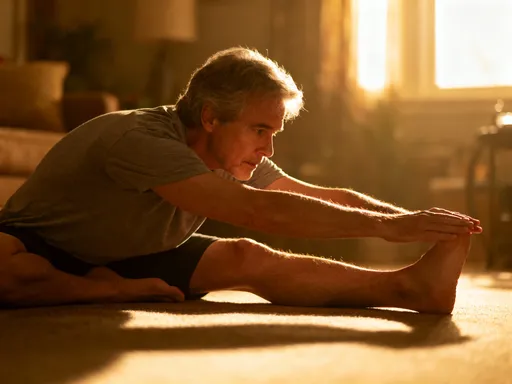
Not all movement is equally effective. Weight-bearing exercises—those where your bones support your body weight—are particularly beneficial. Walking, hiking, dancing, and stair climbing all count. Resistance training, such as using light dumbbells, resistance bands, or bodyweight exercises like squats and lunges, adds another layer of benefit. Even low-impact activities like yoga and tai chi improve balance and coordination, reducing the risk of falls—a major concern for those with weakened bones.
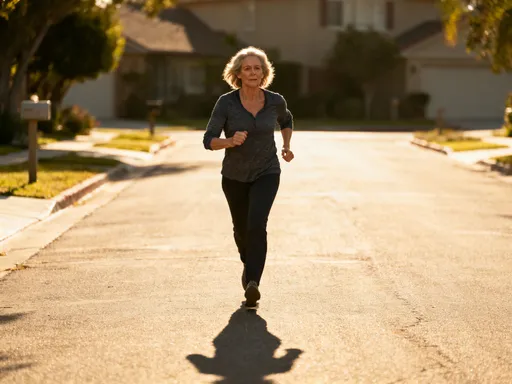
What matters most is consistency, not intensity. You don’t need to train like an athlete. Small, daily actions add up. I started with a 20-minute walk every morning. Then I added two sets of wall push-ups and heel raises while brushing my teeth. Over time, I incorporated light hand weights into my routine, focusing on form rather than heavy lifting. The goal isn’t to exhaust yourself but to signal your bones that they’re needed—that they must stay strong to meet daily demands. This shift in mindset—from exercise as punishment to movement as maintenance—was transformative. It wasn’t about burning calories; it was about building resilience from the inside out.
Eating for Your Skeleton: What Actually Works
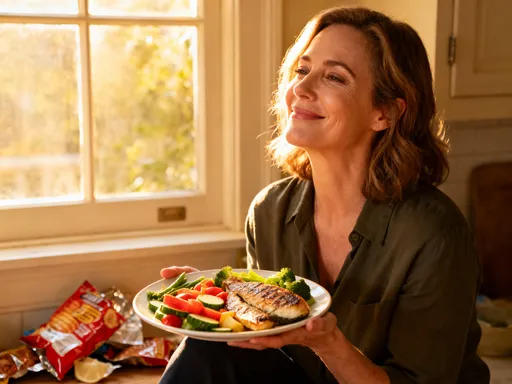
Nutrition is where science meets the kitchen. After my diagnosis, I overhauled my diet not with rigid rules, but with thoughtful choices. I focused on whole, nutrient-dense foods that naturally support bone health. Leafy greens like kale, collard greens, and bok choy are rich in calcium and vitamin K, which helps bind calcium to the bone matrix. Dairy alternatives such as fortified almond or oat milk provide calcium and vitamin D without the lactose some people struggle to digest. Fatty fish like salmon and sardines deliver both vitamin D and omega-3 fatty acids, which may reduce inflammation and support bone formation.
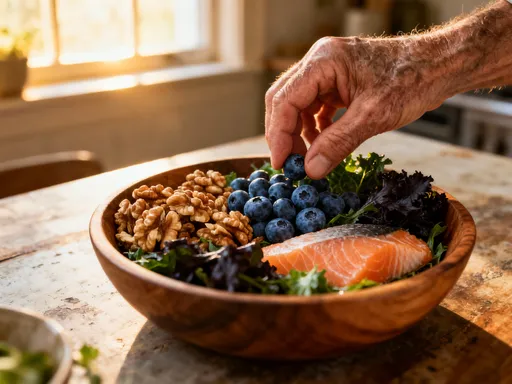
Nuts and seeds, especially almonds, chia, and sesame, offer calcium, magnesium, and healthy fats. I began sprinkling ground flaxseed on my oatmeal and adding a handful of almonds to my afternoon snack. Eggs, particularly the yolks, are another excellent source of vitamin D. Even herbs like parsley and thyme contain trace minerals that contribute to overall bone health. The key is variety. No single food has everything, but a diverse diet ensures your bones get the full spectrum of nutrients they need.
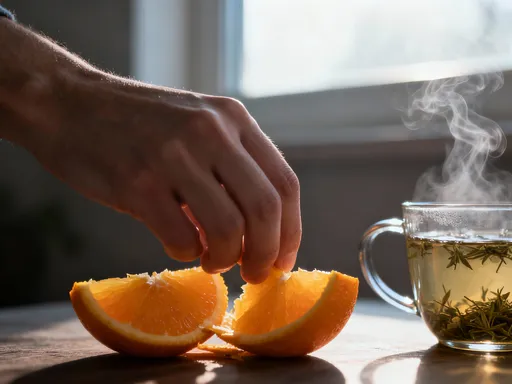
Equally important is how you combine these foods. Vitamin D enhances calcium absorption, so pairing a calcium-rich meal with a source of vitamin D—like having salmon with a spinach salad—makes nutritional sense. Fat-soluble vitamins like D and K require dietary fat for absorption, so eating vegetables with olive oil or avocado improves their benefit. I also cut back on soda and switched to mineral water or herbal teas. Sodas, especially colas, contain phosphoric acid, which some studies suggest may disrupt calcium balance when consumed in excess. Replacing them with bone-friendly drinks was a simple but meaningful change.
Lifestyle Traps That Quietly Harm Bones
Just as certain habits build bone strength, others quietly undermine it. Some of these are well-known, like smoking, which reduces blood flow to bones and impairs the function of bone-forming cells. Others are less obvious but equally damaging. Excess salt, for example, increases calcium loss through urine. The average Western diet contains far more sodium than recommended, often hidden in processed and packaged foods. Reading labels and choosing low-sodium options became a priority for me.
Alcohol and caffeine also play a role. Heavy alcohol consumption interferes with the body’s ability to absorb calcium and produce new bone. Moderate intake—defined as one drink per day for women—may not pose a significant risk, but exceeding that can be harmful. Caffeine, in large amounts, may slightly reduce calcium absorption, though the effect is modest. I didn’t eliminate coffee but made sure to pair it with a calcium-rich snack, like yogurt or cheese, to offset any potential loss.
Sedentary behavior is another silent threat. Sitting for long periods signals to the body that bones don’t need to be strong. Even if you exercise, prolonged inactivity can counteract the benefits. I started setting a timer to stand and stretch every hour. I also became more aware of my sleep and stress levels. Chronic stress elevates cortisol, a hormone that can accelerate bone breakdown. Poor sleep disrupts the body’s repair cycles, including bone remodeling. Prioritizing rest, practicing deep breathing, and setting boundaries around work and screen time helped me create a more bone-supportive lifestyle.
Working With Doctors, Not Against Them
While lifestyle changes are powerful, they don’t replace medical guidance. One of the most important steps I took was scheduling a DEXA scan—a specialized X-ray that measures bone mineral density. It’s painless, quick, and provides a clear picture of bone health. My doctor recommended it based on my fracture and age, but guidelines suggest women over 65 should have one routinely. Those with risk factors, like early menopause or a family history, may need one earlier.
Understanding the results was key. The scan produces a T-score, which compares your bone density to that of a healthy 30-year-old. A score of -1.0 or above is normal. Between -1.0 and -2.5 indicates osteopenia. Below -2.5 is classified as osteoporosis. When I first saw my score of -1.8, I panicked. But my doctor reminded me that it wasn’t a life sentence—it was data. It showed where I stood and gave us a baseline to track progress. She didn’t rush to prescribe medication. Instead, she encouraged me to focus on lifestyle for at least a year before retesting.
This balanced approach empowered me. I wasn’t ignoring medical advice, but I wasn’t relying on a pill to fix everything either. I used the scan as motivation, not fear. I also learned to ask the right questions: What are my risk factors? How often should I be tested? Are there medications I should consider in the future? Being informed helped me partner with my doctor rather than feel passive. Medical care and self-care aren’t opposites—they’re allies in long-term health.
My Daily Routine for Stronger Bones (And How You Can Adapt It)
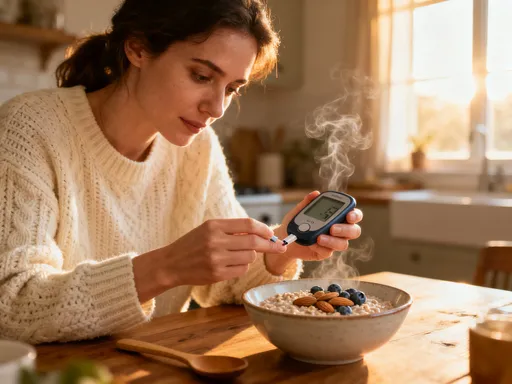
Today, my routine is simple, sustainable, and woven into daily life. I wake up and step outside for a 25-minute walk, rain or shine. I call it my “bone boost” time—sunlight for vitamin D, movement for strength, and fresh air for clarity. Breakfast includes oatmeal with ground flaxseed, walnuts, and blueberries, plus a boiled egg. I drink fortified plant milk with my cereal and take a short walk after eating to aid digestion and circulation.
At work, I stand up every hour to stretch or walk to the kitchen for water. Lunch is often a salad with leafy greens, chickpeas, salmon or tofu, and a vinaigrette with olive oil. I snack on almonds or a small piece of cheese. In the evening, I do 10 minutes of gentle resistance exercises—wall push-ups, seated leg lifts, and shoulder rolls with light weights. Before bed, I practice a few minutes of deep breathing and make sure my bedroom is dark and cool for quality sleep.
I don’t track every gram of calcium or count steps obsessively. Instead, I notice how I feel—more energy, better posture, and a sense of physical confidence. When I returned for my follow-up DEXA scan two years later, my T-score had improved slightly, stabilizing at -1.7. It wasn’t a dramatic change, but it meant my bones were no longer losing ground. That progress, small as it was, meant everything. This routine isn’t extreme or time-consuming. It’s designed to fit into real life. You can start with one change—adding a daily walk, switching to fortified milk, or reducing soda intake. The goal isn’t perfection, but consistency.
Strong bones aren’t built overnight—they’re shaped by daily choices most people overlook. This isn’t about fear or quick fixes, but about informed, sustainable action. By combining movement, nutrition, and awareness, you’re not just managing a condition—you’re investing in a sturdier, more resilient body. Always consult your doctor, but don’t wait for a diagnosis to start protecting your foundation.